 Catalyst
The silence has a shape.
Before we can change the conversation, we have to see what's actually happening — in our schools, workplaces, and living rooms.
adults experience mental illness each year
Yet 60% never receive treatment. — NIMH, 2024
"They'd tell someone if it were serious."
The reality: Stigma, not severity, determines who speaks. Most people wait over 11 years between first symptoms and first treatment.
"I watched a student struggle for two years. I didn't say anything because I didn't know what to say."
— High school counselor, Chicago
average delay between symptoms and treatment
The silence is not apathy. It is untrained language.

The weight of unspoken things
of mental health conditions begin before age 24
Schools are where early intervention lives — or doesn't.
"Talking about it makes it worse."
The reality: Research consistently shows the opposite: naming a feeling reduces its intensity. Silence is the accelerant, not the cure.
"Our employee assistance program existed for six years before anyone used it. We never taught people how."
— HR Director, mid-size tech firm
of employees say mental health isn't discussed at work
Not for lack of care — for lack of permission and language.

The conversation that didn't happen
"Mental health is a personal issue, not a community one."
The reality: Communities that talk about mental health have measurably lower suicide rates. Silence is a collective choice — and so is speaking.
The tools to break the silence.
Real workshops. Real language. Real outcomes. Here is what it looks like when communities learn to ask.

Ask. Listen. Act.
A structured training that gives educators language, scenarios, and practice for initiating mental health conversations with students.
- Recognize 8 behavioral signals of distress
- Open a conversation without escalating anxiety
- Connect students to resources without breaking trust
Post-workshop confidence
of workshop participants say they felt more confident starting a mental health conversation within 30 days.
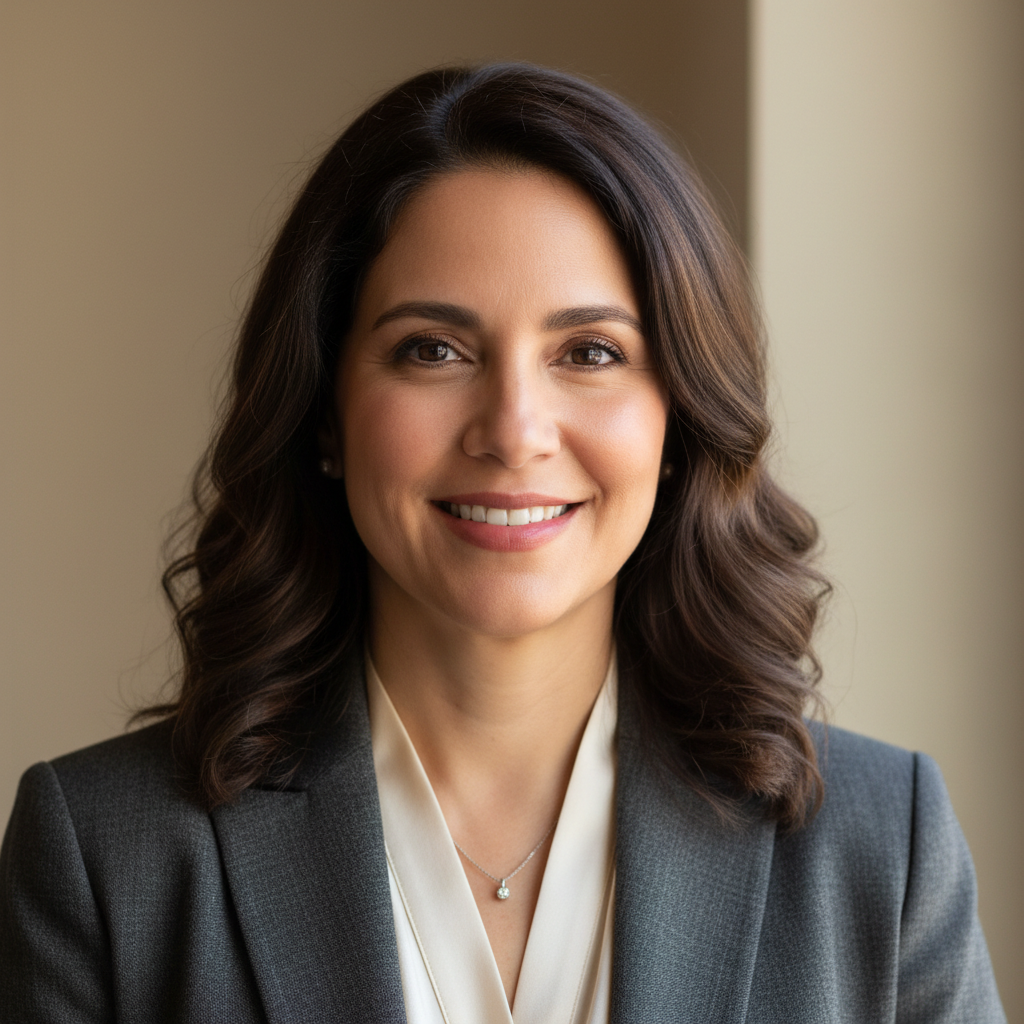
Denise Okafor
High School Counselor · Columbus, OH
"The conversation starter cards gave me something to hold onto. Three weeks after the training, I used one with a student who was struggling silently. She's getting help now."
Outcome
Student connected to therapy within 2 weeks
The Conversation Starter Kit
Practical language cards for 12 common situations — from noticing withdrawal to responding to a disclosure.
- ""I noticed you seem different lately — is everything okay?""
- ""You don't have to have it figured out. I'm just glad you told me.""
- ""That sounds really hard. Can I help you find someone to talk to?""

Wellbeing at Work
Equip your managers to recognize distress, reduce stigma in team culture, and activate your existing EAP before it's too late.
- Destigmatize help-seeking in your organization
- Train managers to notice and respond — not diagnose
- Increase EAP utilization by an average of 3x

Rafael Mendes
HR Director · Austin, TX
"We went from 4% EAP utilization to 14% in one quarter. Not because we changed the benefit — because we finally taught people it was okay to use it."
Outcome
3.5x increase in EAP utilization
For Parents: The 1 A.M. Guide
A plain-language resource for the moment you realize you don't know how to start — written for 1 a.m. searches, not clinical settings.
- "How to ask your teenager if they're okay (and what to do when they say "fine")"
- "Warning signs that need more than a conversation"
- "Scripts for the car ride, the dinner table, the quiet moment"
Young people are
more likely to seek help when a trusted adult in their life has directly asked about their mental health.

The Quiet Chairs
For the pastor, imam, rabbi, or community elder who noticed someone stopped showing up — and didn't know what to say when they came back.
- Navigate the intersection of faith and mental health
- Create communities where struggling is not shameful
- Know when to listen and when to refer
We give before we ask.
Three free resources — no email required. If they're useful, you'll know whether you want more.

The Stigma-Busting Fact Sheet
Eight common myths about mental health — with the research that dismantles each one. Designed for bulletin boards, staff meetings, and parent nights.
PDF · 2 pages · Print-ready

Conversation Starter Toolkit
Twelve language cards for twelve real situations — from noticing withdrawal to responding to a disclosure. Preview the first four cards free.
Preview · 4 of 12 cards · Full kit with program

2-Minute Workshop Snapshot
See what a Catalyst workshop looks like in the room — a real session with real educators from Columbus City Schools.
Video · 2 min 14 sec · No signup required
Bring the conversation to your community.
Tell us who you are and where you're working. We'll follow up with the right program, the right resources, and a conversation that starts at your pace.